The Teen Money Playbook Financial Literacy for Teens
Budgeting, Saving, Credit, Investing, and Taxes
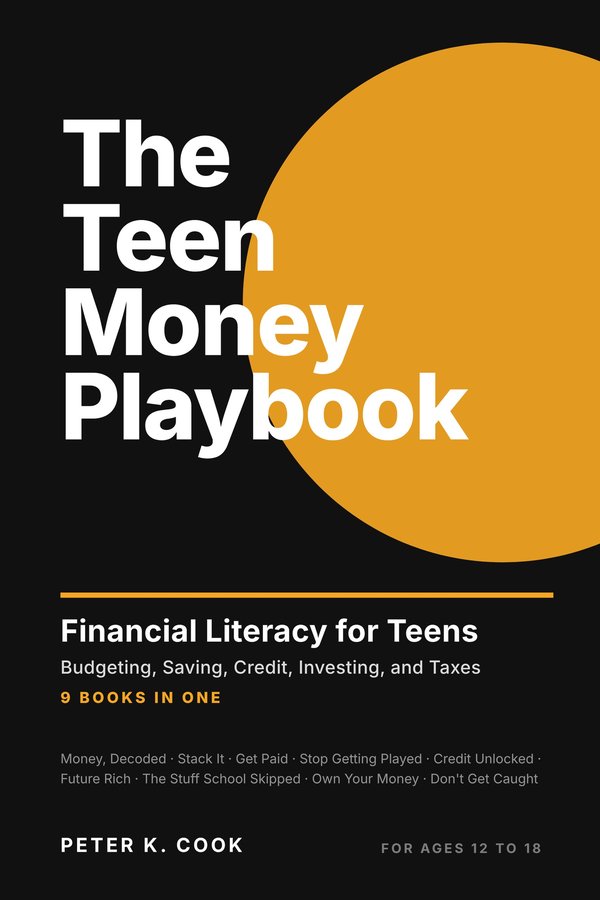
Nine short books in one volume for ages 12 to 18, written in plain language by an accountant with 30 years of experience.
A good gift for a first job, a birthday, graduation, or Christmas.
Read a sample chapter: Your First PaycheckWhen to give it
Give it the week of the first paycheck.
Book 3 explains why it was smaller than expected. The rest of the playbook covers what to do with what is left: a budget that survives a real month, a first bank account, a credit score, and an index fund.
Read that chapter now- 20 hours × $15.00
- $300.00
- Social Security 6.2%
- −$18.60
- Medicare 1.45%
- −$4.35
- Income tax withheld
- −$15.05
- Deposit
- $262.00
- What happened to the $38?
What's inside
Nine short books, 54 chapters, in the order a teen needs them
- 1
Money, Decoded
What money is and why it works
- Money Isn’t Magic
- A Brief (and Actually Fun) History of Money
- Earning vs. Receiving
- Money and Value
- Your Relationship with Money
- Money Myths Teens Believe
- 2
Stack It
Budgeting, saving and compound interest
- A Budget Is Not a Diet for Your Money
- The 50/30/20 Rule, Made Simple
- Where Does Your Money Actually Go?
- The Magic of Compound Interest
- Setting Savings Goals That Stick
- Budgeting Mistakes Teens Make
- 3
Get Paid
Jobs, side hustles and the first paycheck
- What Does It Mean to Earn?
- Jobs Teens Can Actually Get
- The Side Hustle Era
- Your First Paycheck (free sample)
- Skills That Pay More
- Earning Myths Teens Believe
- 4
Stop Getting Played
Needs vs. wants, fake deals, peer pressure
- Needs vs. Wants: It’s More Complicated Than You Think
- Avoiding Lifestyle Inflation
- When a “Deal” Isn’t Really a Deal
- Peer Pressure and Spending
- Smart Shopping
- Spending Mistakes Teens Make
- 5
Credit Unlocked
Credit scores, cards and good vs. bad debt
- What Is Credit, Anyway?
- How Credit Scores Work
- Building Credit Early
- Good Debt vs. Bad Debt
- Credit Cards: Friend or Foe?
- Credit Myths & Costly Mistakes
- 6
Future Rich
Stocks, index funds and the teen Roth IRA
- What Is Investing?
- Stocks: Owning a Piece of the Pie
- Bonds and Mutual Funds
- Index Funds and Why Warren Buffett Loves Them
- The Roth IRA: The Teen’s Secret Weapon
- Investing Myths & Costly Mistakes
- 7
The Stuff School Skipped
Taxes, college aid and scams
- Why Taxes Exist and How They Work
- Filing Your First Tax Return
- Scholarships: Free Money You Don’t Pay Back
- FAFSA and the Financial Aid System
- Paying for College Without Drowning in Debt
- Scams That Target Young People
- 8
Own Your Money
Checking, savings, apps and bank fees
- How Banks Actually Work
- Checking Accounts: Your Financial Home Base
- Savings Accounts and High-Yield Options
- Debit Cards vs. Credit Cards
- Banking Apps and Digital Money Tools
- Bank Fees, Traps, and Costly Mistakes
- 9
Don’t Get Caught
Health, car and renter’s insurance
- What Insurance Is and How It Works
- Health Insurance: The One You Can’t Skip
- Car Insurance: Required, Misunderstood, and Often Overpriced
- Renter’s Insurance: The $15 Decision That Saves Thousands
- Other Insurance Worth Knowing About
- Insurance Myths and Costly Mistakes
Also in the book: a For Parents and Teachers page and a glossary of 58 money terms.
What a teen can do afterward
Three stages, each one tied to something real
After Books 1 to 3
The foundation: money, budgeting, earning
- Build a budget with the 50/30/20 rule
- Find where their money leaks
- Explain how compound interest works
- Know which jobs are open before 18
- Read a pay stub: gross, net and FICA
After Books 4 to 6
Spending, credit, investing
- Tell a real deal from a fake one
- Say no to spending pressure from friends
- Name the five ingredients of a credit score
- Tell good debt from bad debt
- Explain stocks, bonds, index funds and the Roth IRA
After Books 7 to 9
The first tax return, checking account and car
- File a first tax return
- Know what the FAFSA is and why skipping it costs money
- Spot the scams aimed at young people
- Choose a checking and savings account and avoid the fees
- Understand health, car and renter’s insurance
Look inside
Every chapter ends with something to do
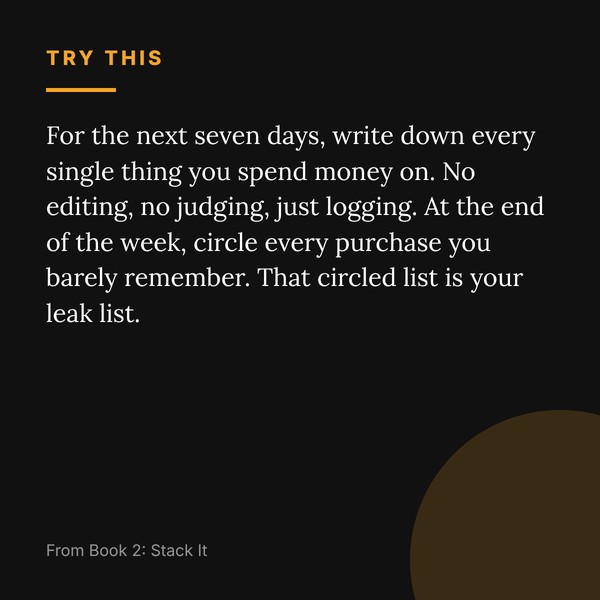
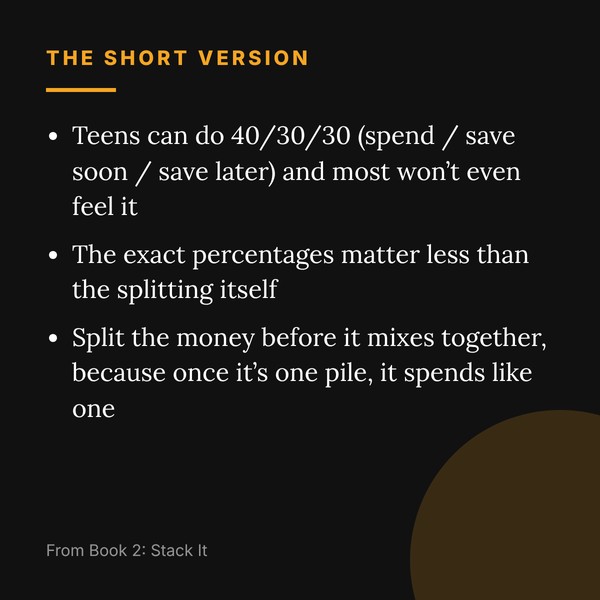
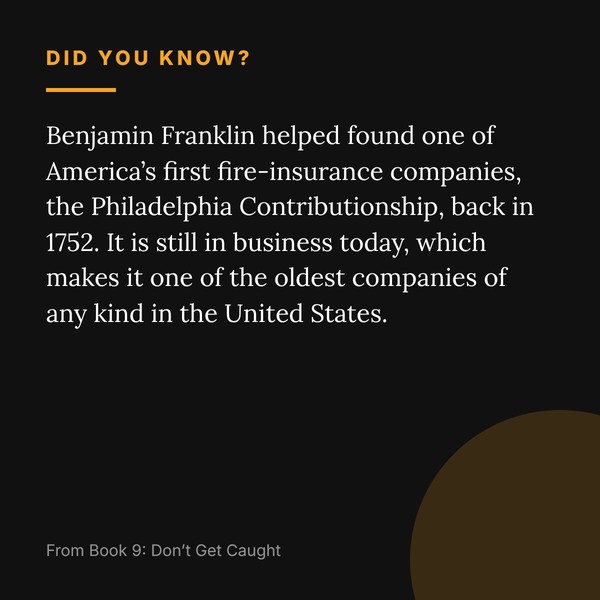
Right now, not someday
It also covers the money decisions teens already face
For the adult buying it
Grows with your teen, and works in a classroom
Parents and grandparents
A 12-year-old can start with Book 1 and come back for credit and investing at 16. A For Parents and Teachers page is included so you can follow along.
High school and homeschool teachers
30 states have passed a personal finance graduation requirement (Next Gen Personal Finance, 2026). Each of the nine books stands alone, so you can assign one at a time. A glossary of 58 money terms is in the back.
Schools, credit unions and youth programs
Orders of 10 or more: write to theteenmoneyplaybook@gmail.com for a quote. You can read a full chapter before you decide.
ISBN 979-8-9982153-0-8Paperback 6 × 9 in, 312 pagesAges 12 to 18Publisher PKTPublished November 16, 2026
How it was written: drafted with AI tools, then extensively edited and fact-checked by the author.
Questions
What parents and teachers ask
- What age is it right for?
- Ages 12 to 18. A 12-year-old can start with Books 1 to 3. Credit, investing and taxes land best from about 15, when the first job and the first bank account are close.
- Does it have to be read in order?
- No. Each of the nine books stands alone, so a teen can start with whatever is happening in their life. The order is there for anyone who wants to go front to back.
- Is it written for the United States?
- Yes. It covers U.S. federal taxes, Social Security and Medicare, the FAFSA and the Roth IRA. Where rules differ by state, such as state income tax, the book says so.
- Does it work for homeschool or a classroom?
- Yes. There are 54 chapters, which is three a week for an 18-week semester. Every chapter ends with a Try This activity and a Short Version recap, and a For Parents and Teachers page is included.
- Is the content clean?
- Yes. No profanity, no violence and no sexual content.
- Is this financial advice?
- No. It is educational. It explains how money, credit, investing and taxes work so a teen can make their own decisions and ask better questions.
- How was it written?
- It was drafted with AI tools, then extensively edited and fact-checked by the author, an accountant with 30 years of experience.
- Is there an ebook?
- Yes. The Kindle edition is $9.99 and is included in Kindle Unlimited.
- How do bulk orders work?
- For 10 or more copies, write to theteenmoneyplaybook@gmail.com with the quantity and a delivery address, and you will get a quote.